




-60%
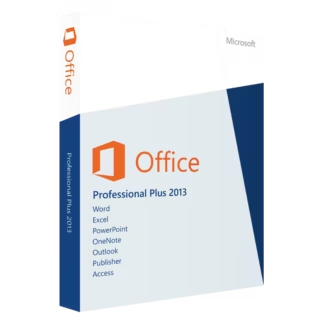
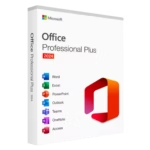
Microsoft Office 2013 Professional Plus
Original price was: $49.90.$19.90Current price is: $19.90.
Add to cart

Office 2013 supports modern Office file formats and can open and save documents created with newer Office releases, though newer features may be limited.
Office 2013 is often retained in environments where software certification, internal tools, or macros were validated specifically for that version. Changing Office versions can require costly re-testing, making Office 2013 the safer long-term choice.
No. Office 2013 is a fully standalone desktop product and does not require cloud integration to function.
Yes. Its static functionality and offline capability make it suitable for audit-sensitive sectors where software changes must be controlled.
Microsoft Office 2013 is often used alongside compatible Operating systems such as Windows 11
or Windows 10 in mixed environments, while system security is reinforced through Antivirus licenses
from providers like Kaspersky. In professional setups, Office deployments may complement Microsoft Server Licenses
and other Computer programs, with backup and migration tools from EaseUS
and packaged Bundle options supporting structured system management.

Customise your consent preferences for Cookie Categories and advertising tracking preferences for Purposes & Features and Vendors below. You can give granular consent for each Third Party Vendor and Google Ad Tech Provider. Most vendors require explicit consent for personal data processing, while some rely on legitimate interest. However, you have the right to object to their use of legitimate interest. Additionally, please note that your preferences regarding purposes and vendors are saved in a cookie named 'euconsent' on your device and may be retained for up to 730 days to remember your choices.
Necessary cookies are required to enable the basic features of this site, such as providing secure log-in or adjusting your consent preferences. These cookies do not store any personally identifiable data.
Analytical cookies are used to understand how visitors interact with the website. These cookies help provide information on metrics such as the number of visitors, bounce rate, traffic source, etc.
Advertisement cookies are used to provide visitors with customised advertisements based on the pages you visited previously and to analyse the effectiveness of the ad campaigns.
Functional cookies help perform certain functionalities like remembering your preferences and customising your experience on the website.
This section lists the purposes for which partners process your data and the features they use. You can object to the use of legitimate interests.
This section lists third-party vendors that may process your data. You can review and manage consent for each vendor individually.